
Get Gravel Pad Installation
Local contractors can install gravel pads to prevent erosion, provide stable ground for structures, and support projects like driveways, sheds, and walkways.
If you’re considering a gravel pad installation for your property, you’re in the right place to find the information and local expertise you need. Properly planned gravel pads can provide stable, level surfaces for a variety of applications, including driveways, storage areas, or foundation support. Property owners in the area often explore this work to improve accessibility, prevent erosion, or create designated spaces that enhance functionality and curb appeal. Exploring your options and comparing local contractors can help ensure the project meets your specific needs.
There are several practical reasons to consider gravel pad installation, such as increasing property value or preparing a site for future construction. Local service providers are experienced in assessing site conditions and recommending suitable solutions that align with your project goals. Keep reading to learn more about how trusted local contractors can assist with planning and executing a gravel pad installation tailored to your property.
- Residential Driveway Projects - homeowners may need gravel pad installation to prepare new driveways or improve existing ones.
- Commercial Property Developments - businesses often require gravel pads for parking areas, loading zones, or foundation support.
- Agricultural and Farm Use - farmers might seek gravel pads to create stable surfaces for equipment or livestock areas.
- Construction Site Foundations - contractors may need gravel pads as a stable base for building structures or temporary access roads.
- Storage and Equipment Areas - property owners may require gravel pads to establish durable surfaces for storage sheds or heavy machinery.
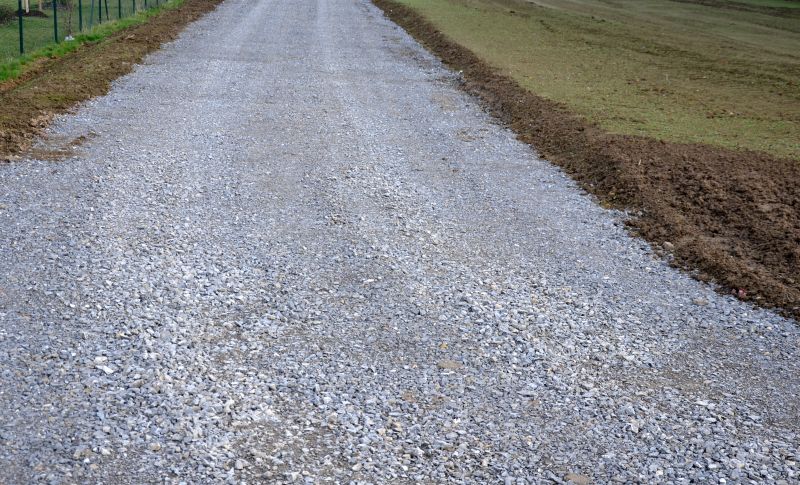
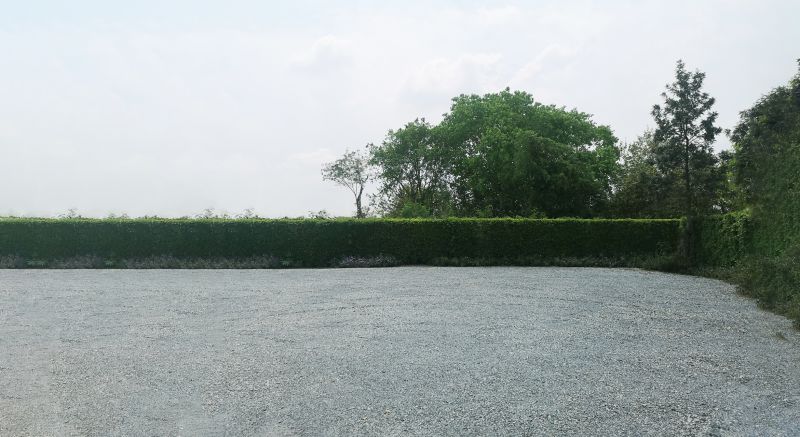
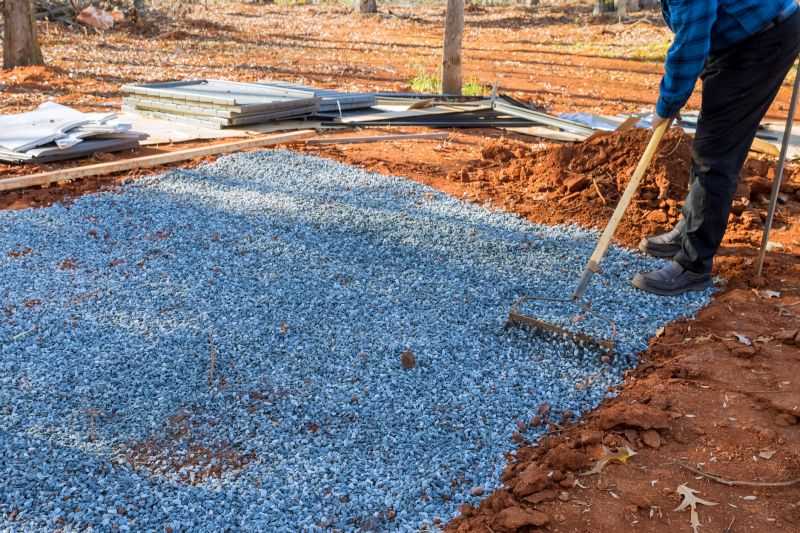
Gravel pad installation involves preparing a stable, level surface made of compacted gravel that serves as a foundation for various outdoor structures. This service typically includes site assessment, grading, and the careful placement of gravel layers to ensure proper drainage and stability. By creating a solid base, gravel pads help prevent shifting, sinking, or uneven settling of structures like sheds, garages, or outdoor equipment. Professional installers ensure the gravel is properly compacted and shaped to provide a durable and long-lasting foundation.
This service addresses common problems such as mud accumulation, erosion, and structural instability. Without a proper foundation, outdoor structures can become difficult to access or maintain, especially after heavy rain or frequent use. Gravel pads help keep the area clean and dry, reducing the risk of damage caused by moisture or shifting soil. They also improve safety by providing a level surface that minimizes tripping hazards and makes it easier to move equipment or vehicles onto the property.
Properties that typically use gravel pad installation include residential homes with backyard sheds, carports, or outdoor storage units. It is also popular among property owners who need a stable base for RVs, boats, or trailers. Commercial properties may utilize gravel pads for parking areas or equipment storage zones. In general, any property that requires a reliable, level surface for outdoor structures or heavy equipment can benefit from professional gravel pad installation services.
Homeowners often seek gravel pad installation when planning to add new structures or improve existing outdoor areas. It is especially useful in areas prone to drainage issues or where the ground is uneven. By working with local contractors skilled in gravel pad installation, property owners can ensure their foundations are properly prepared, helping to extend the lifespan of structures and maintain a neat, functional outdoor space. Contact local service providers to explore options suited to specific property needs.
The overview below groups typical Gravel Pad Installation projects into broad ranges so you can see how smaller, mid-sized, and larger jobs often compare in your area.
In many markets, a large share of routine jobs stays in the lower and middle ranges, while only a smaller percentage of projects moves into the highest bands when the work is more complex or site conditions are harder than average.
Smaller Gravel Pads - Many routine gravel pad installations for small projects typically range from $250 to $600. These jobs usually involve simple setups for sheds or small structures and are common in the local contractor market.
Medium-Size Projects - Larger, more complex gravel pads, such as those for RVs or multiple vehicles, generally cost between $600 and $1,500. Most projects fall within this range, depending on size and site conditions.
Large or Custom Installations - For custom or larger-scale gravel pads, costs can reach $1,500 to $3,000, especially when additional site prep or drainage work is needed. Fewer projects extend into this higher tier, reflecting increased complexity.
Full Replacement or Extensive Work - Complete removal and replacement of existing gravel pads or highly detailed installations can exceed $3,000, with some larger or complicated projects reaching $5,000 or more. These are less common but handled by local service providers for specialized needs.
Actual totals will depend on details like access to the work area, the scope of the project, and the materials selected, so use these as general starting points rather than exact figures.
Driveway Base Preparation - Local contractors skilled in gravel pad installation often handle driveway base preparation, requiring similar grading, leveling, and gravel spreading techniques.
Foundation Gravel Beds - Installing gravel beds for foundations or footings involves comparable planning and material handling skills to ensure stability and proper drainage.
Outdoor Storage Area Construction - Building outdoor storage pads with gravel requires site assessment, surface leveling, and material placement similar to gravel pad installation processes.
Temporary Access Pathways - Creating temporary or permanent gravel pathways involves site preparation, grading, and gravel spreading, aligning with skills used in gravel pad projects.
Utility Trenches and Backfill - Excavating and backfilling trenches for utilities often involves gravel bedding, requiring similar planning, excavation, and material placement expertise.
Landscape Base Layer Installation - Preparing base layers for patios, walkways, or landscaping features involves comparable site prep and gravel spreading skills as gravel pad installation.
When evaluating potential contractors for gravel pad installation, it’s important to consider their experience with similar projects. A service provider who has handled gravel pad installations in environments comparable to your site is more likely to understand the specific challenges and best practices involved. Asking about their past work can provide insight into their familiarity with different soil conditions, project sizes, and design requirements, helping to determine if they have the practical knowledge needed for a successful outcome.
Clear written expectations are essential to ensure both parties are aligned on the scope of work. When speaking with local contractors, look for detailed descriptions of what the project will include, such as site preparation, gravel type, thickness, and any additional services. Having these expectations documented can help prevent misunderstandings and provide a basis for comparison between different service providers. Clear communication about the process and deliverables also demonstrates professionalism and a commitment to transparency.
Reputable references and effective communication are key indicators of a reliable gravel pad installation service provider. Asking for references from previous customers can offer valuable feedback on the quality of work and the contractor’s reliability. Additionally, paying attention to how promptly and clearly they respond to inquiries can reveal their level of professionalism and willingness to keep clients informed throughout the project. Choosing local contractors who prioritize good communication and have positive references can lead to a smoother, more predictable installation experience.
Property owners use Gravel Pad Installation services for practical projects around their homes and businesses. This guide focuses on everyday jobs and straightforward project options.
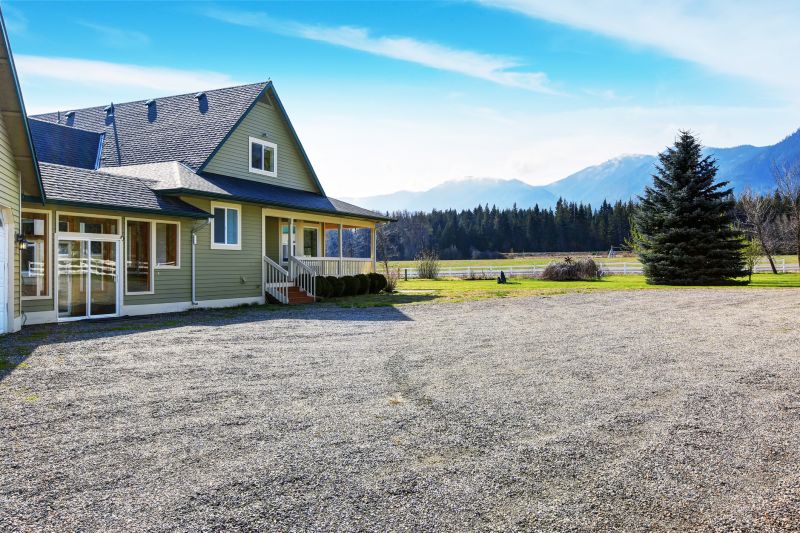
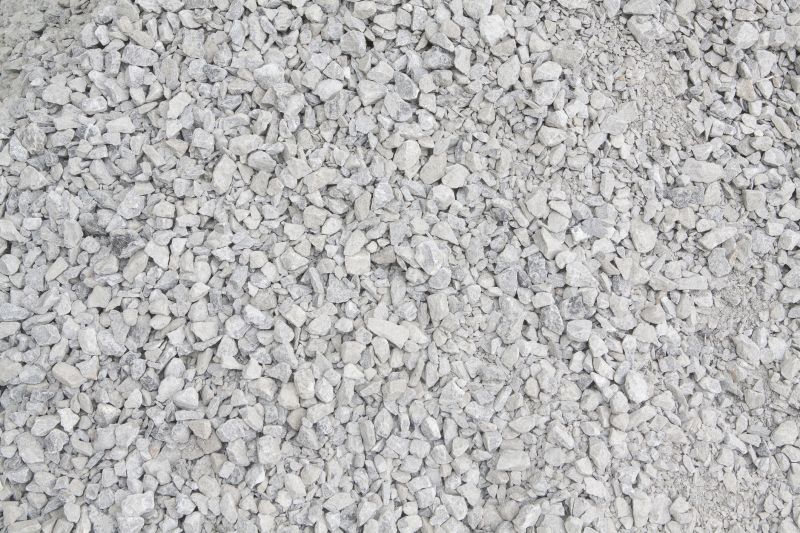
Gravel pad installation is a common project for property owners looking to create a stable foundation for various outdoor structures. Whether setting up a new shed, parking area, or RV pad, many in the area seek local contractors who can prepare the ground with a durable gravel surface. These projects often arise from the need to improve drainage, reduce mud, or simply provide a flat, stable area for everyday use.
Property owners may also look for gravel pad services to enhance the functionality of their land, especially when planning to add heavy equipment or vehicles. Local service providers can handle these straightforward projects, ensuring the gravel is properly installed to support the weight and usage needs of the property. Connecting with experienced contractors helps make these common upgrades easier and more reliable.
What is a gravel pad installation? Gravel pad installation involves preparing a level surface of gravel to serve as a stable foundation for structures such as sheds, decks, or patios.
Why should I consider professional gravel pad installation? Professional contractors ensure the gravel is properly compacted and leveled, providing a durable and stable base for your project.
What types of gravel are used for pad installations? Common gravel types include crushed stone, decomposed granite, and other angular aggregates that promote stability and drainage.
How do local contractors prepare a site for gravel pad installation? They typically clear the area, level the ground, add a base layer of larger gravel, and then spread and compact the final gravel layer.
Can gravel pad installation be customized for different project sizes? Yes, local service providers can tailor the size and depth of the gravel pad to suit various project requirements and site conditions.
Driveway Expansion - Property owners can use gravel pads to extend existing driveways, providing additional space for parking or easier vehicle access.
Garden Pathways - Gravel pads can create stable, attractive walkways through gardens or yard areas for everyday use.
Outdoor Workspace - Installing a gravel pad can establish a level surface for outdoor workshops, storage areas, or equipment setups.
Foundation for Structures - Gravel pads serve as a solid base for sheds, decks, or small structures, ensuring stability and drainage.
If you are thinking about Gravel Pad Installation for a property, this guide is meant to help you understand the work, the typical project types, and how different options might fit your plans.
When you are ready, you can use the quote form on this page to share a few details about your project. From there, local pros can review the basics and respond with options that match what you have in mind.